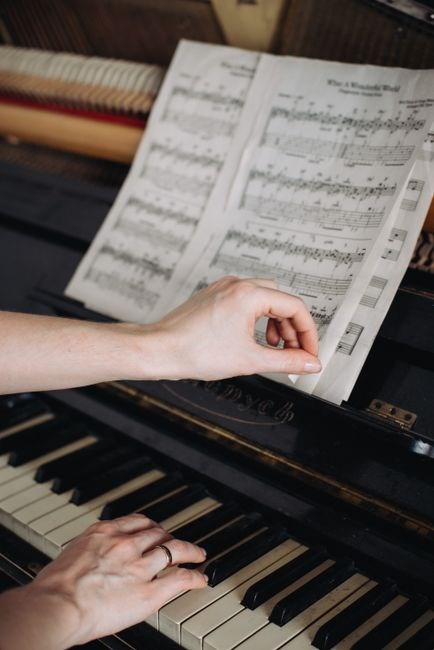
Beginner piano PDFs offer structured exercises, from scales to simple pieces, ideal for paced learning. They pair with online virtual piano tools, letting students practice finger technique while viewing sheet music on any device. Accessible, printable, and free, they foster steadyprogress Practice daily!
Why PDFs Are Ideal for Practice
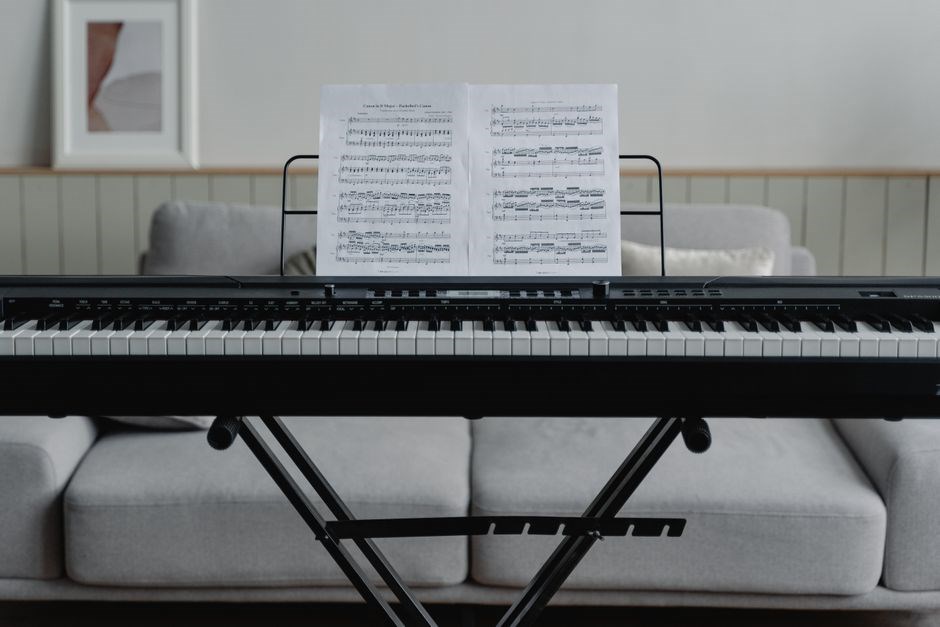
Because PDFs are platform‑agnostic, a student can open the same file on Windows, Mac, iPad, or Android without formatting loss. The layout means corrections added by a teacher stay unchanged for all learners. Many PDF readers offer zoom page navigation the ability to overlay a translucent keyboard image helping beginners match finger positions to printed notes. Bookmarking pages and adding comments lets students revisit challenging sections, ensuring steady progress.
Students who use PDFs can quickly locate specific exercises by page number, and the ability to search text makes finding particular scales or arpeggios a breeze. Many PDF viewers allow the user to annotate directly on the sheet, so learners can mark tricky passages or add personal tempo markings without cluttering the original notation. This feature encourages active engagement and helps students internalize the score, leading to more confident performances;
The digital format supports hyperlinks that jump to specific measures, allowing quick navigation to challenging passages. Many PDFs also include embedded audio samples, so students can hear the correct fingering and tempo before attempting to play. This multimodal approach reinforces learning, as the visual score, the auditory model, and the tactile act of playing all converge. Furthermore, teachers can update PDFs with new exercises or corrections, and students will receive the latest version instantly, ensuring that the curriculum stays current without the need for reprinting. Annotate on the PDF mark difficult sections.!

Essential Scales and Arpeggios for Beginners

Beginner PDFs typically start with the C major scale, the most common key for early learning. The scale is written in both treble and bass clefs, and the PDF includes a fingering chart that shows the standard 1‑2‑3‑1‑2‑3‑4‑5 pattern for right hand and 5‑4‑3‑2‑1‑2‑3‑4 for left hand. Practicing the scale in both hands builds symmetrical finger strength and promotes consistent hand positioning. The PDF also offers a separate page for the C major arpeggio, broken down into three‑note groups (C‑E‑G, E‑G‑C, G‑C‑E). This arpeggio exercise teaches the player how to navigate the keyboard in a smooth, connected way, and the PDF’s tempo markings encourage gradual speed increases.
After mastering C major, the PDF introduces the G major scale, which adds one sharp. The fingering instructions are similar, but the PDF highlights the need to adjust the left‑hand thumb placement to avoid awkward stretches. The G major arpeggio follows the same pattern as C, reinforcing the concept of “broken chord” playing. Students can then practice the F major scale, which introduces a flat, and the PDF provides a visual cue for the left‑hand thumb to slide under the middle finger. The F major arpeggio is also included, and the PDF uses a color‑coded system to differentiate the root, third, and fifth notes, making it easier for beginners to recognize the harmonic structure.
To develop a broader understanding of key signatures, the PDF offers a “scale ladder” section that lists all major scales from C to B, each with its corresponding number of sharps or flats. The arpeggios for each key are presented in a compact table, and the PDF encourages students to practice each scale at a slow tempo, gradually increasing the metronome click. The PDF also contains a short “scale review” quiz, where students can test their knowledge by identifying the key signature from a given set of accidentals. This interactive element turns passive reading into active learning, and the PDF’s printable format allows students to keep a physical copy for quick reference during practice sessions. Students should review each scale weekl to cement muscle memory.
Hand Independence and Finger Strength Exercises
Hand‑independence drills are essential for building balanced coordination. The PDF includes the classic “four‑finger exercise” where the right hand plays a steady 1‑2‑3‑4 pattern while the left hand performs a contrasting rhythm, such as a syncopated 2‑3‑2‑3. This exercise forces each hand to maintain its own tempo, improving independence. The PDF also offers the “thumb‑to‑pinky” exercise, which encourages the left hand to play a continuous line from the thumb (E) to the pinky (C) and back, while the right hand repeats a simple arpeggio. This helps develop finger strength and control on the lower register. To further strengthen the fingers, the PDF provides a “fingertip isolation” drill. Each hand alternates between playing a single note and a two‑note chord, forcing the fingers to lift independently. The PDF’s fingering chart marks the recommended finger numbers for each note, ensuring that beginners use the correct technique. Additionally, the PDF includes a “staccato‑legato” exercise where the right hand plays staccato notes on beats 1 and 3, and legato notes on beats 2 and 4, while the left hand maintains a continuous legato line. This contrast trains both hands to switch articulations smoothly. For a more advanced challenge, the PDF introduces the “broken‑chord” exercise. The right hand plays a broken chord pattern (root, third, fifth, third) while the left hand plays a sustained chord. The PDF’s tempo markings start at 60 bpm and gradually increase to 120 bpm, encouraging gradual speed gains. The PDF also contains a short “strength test” where students must play a scale with each finger on a separate line, ensuring that every finger is equally strong. By practicing these drills weekly, beginners can develop both hand independence and finger strength, laying a solid foundation for more complex repertoire.
For consistency, the PDF recommends practicing each exercise at a metronome click of 60 bpm for the first week, then increasing by 10 bpm each subsequent week. It also suggests recording the sessions to self‑evaluate timing and articulation. The PDF’s printable format allows students to keep a practice log next to the exercises, noting tempo, difficulty, and any muscle fatigue. This systematic approach ensures that beginners build endurance and precision over time. Consistent daily practice now yields noticeable improvement within weeks. Regular review keeps motivation high and focus.
Rhythm and Timing Drills
Rhythm and timing are the backbone of musical expression. The PDF offers a series of drills that start with simple quarter‑note patterns, gradually introducing eighths, triplets, and syncopated rests. Each drill is printed with a metronome click guide, allowing beginners to set a steady pulse on any device. The first exercise, “steady beat,” asks students to tap a 4/4 rhythm on the desk while playing a single note on the piano, reinforcing the relationship between physical movement and sound. Next, the “clap‑and‑play” drill pairs hand claps with piano notes, encouraging students to feel the beat externally before internalizing it. The PDF then presents the “subdivision” exercise, where the metronome ticks in 8th‑note divisions while the student plays a simple melody, forcing accurate internal counting. For more advanced timing, the PDF includes a “cross‑rhythm” drill that juxtaposes a 3‑beat pattern against a 4‑beat pattern, teaching polyrhythmic awareness. Each exercise includes a printable score, a tempo chart, and a self‑assessment checklist. Students are encouraged to record their practice, listen back, and note any timing discrepancies. The PDF’s layout allows for easy annotation, so beginners can mark where they feel the beat slipping. By consistently practicing these drills, learners develop a keen sense of pulse, improve metronome accuracy, and gain confidence in their rhythmic precision. The PDF also offers a “timing journal” template, prompting students to log tempo, difficulty, and emotional response after each session. This reflective practice solidifies rhythmic habits and supports long‑term growth. Regular review of the PDF’s rhythm section ensures that beginners maintain a strong rhythmic foundation, essential for all subsequent piano studies. Finally, students should schedule short, focused timing sessions twice a week, gradually increasing tempo by 5 bpm each week, ensuring steady progress without fatigue. Practicing these drills with a metronome set to a comfortable tempo, then gradually increasing the speed, helps students internalize rhythmic patterns and develop a natural sense of groove. Enjoy!
Sight-Reading Basics
Sight‑reading is the skill of playing a piece of music at first glance, without prior rehearsal. The PDF provides a step‑by‑step progression that starts with single‑line melodies in C major. Each exercise is printed with a highlighted staff and a tempo marking. Students first practice reading the right‑hand part while the left hand plays a steady bass line, then alternate hands to build independence. The PDF includes a “scan‑and‑play” drill where the student reads a short passage, then plays it on a virtual keyboard, reinforcing visual recognition. To improve accuracy, the exercises feature a “pause‑and‑check” method: after each measure, the student stops and reviews the notes. The PDF also offers a “timed sight‑read” section that encourages students to complete a passage within a set time. For beginners, the PDF recommends starting at a slow tempo (60–70 bpm). Each page includes a self‑assessment rubric, allowing students to rate accuracy, tempo, and expression. The PDF’s printable format is compatible with tablets and laptops. By integrating the virtual piano’s real‑time playback, learners can hear the result, giving feedback. Consistent practice of these sight‑reading drills builds muscle memory, improves reading speed, and lays a solid foundation for more complex repertoire. Students should review recordings, noting tempo fluctuations and articulation nuances, then adjust their technique accordingly, ensuring a polished performance. Practice consistently rhythm will become natual!!

Ear Training Exercises
Ear training is essential for developing aural skills that complement written practice. The PDF offers a series of graded exercises, beginning with simple interval recognition in C major, followed by chord identification and rhythmic dictation. The exercises are arranged in progressive difficulty, starting with major and minor thirds, then moving to fifths, sevenths, and diminished intervals. For chord work, the PDF presents triads and seventh chords in root position, inversions, and suspended forms, each accompanied by a short audio clip. Rhythm drills involve reading and reproducing rhythmic patterns using a metronome setting embedded in the PDF; students can adjust tempo from 60 to 120 bpm. The workbook also features a “dictation” section where a short melody is played, and the student writes the notes on a blank staff. This encourages active listening and transcription skills. Additionally, the PDF includes a “call‑and‑response” activity that pairs the student’s playing on a virtual piano with a recorded phrase, reinforcing relative pitch and melodic contour. By integrating the virtual piano’s realistic sound engine, learners can immediately hear their attempts and compare them to the model. Consistent practice of these ear‑training drills enhances pitch accuracy, rhythmic precision, and overall musicality, laying a solid foundation for advanced repertoire and improvisation. Use the virtual piano’s realistic tones to verify intervals and build confidence now! today! Practice daily and listen actively!

Common Mistakes to Avoid
Many beginners fall into a handful of pitfalls that slow progress. First, neglecting proper hand posture—slouching or gripping the keys too tightly—creates tension and limits agility. Second, ignoring the metronome; playing without a steady pulse leads to uneven phrasing and timing errors. Third, over‑relying on the virtual piano’s realistic sounds without practicing on a real instrument can mask subtle touch differences. Fourth, skipping warm‑up exercises; starting with a full repertoire piece can cause fatigue and sloppy technique. Fifth, reading ahead too aggressively; focusing on the next measure instead of the current one breaks flow and reduces accuracy. Sixth, neglecting finger independence drills; strong, independent fingers are the backbone of clean articulation. Seventh, failing to record and review sessions; without playback, mistakes go unnoticed. Eighth, not setting clear, measurable goals for each PDF session; vague practice plans result in aimless repetition. Finally, ignoring the importance of rest; over‑practice without breaks leads to strain injuries. By consciously avoiding these errors and following the structured PDF exercises, beginners can build a solid, healthy foundation for long‑term success. To avoid these pitfalls, beginners should establish a disciplined routine: start each session with a 10‑minute warm‑up of scales, then practice one new piece for 15 minutes, followed by a 5‑minute review of the previous lesson, and end with a 5‑minute free‑playing session to reinforce muscle memory and musicality. Consistently tracking progress with a log sheet helps identify strengths and weaknesses, ensuring that practice time is focused and effective.!
How to Access Free PDF Resources
Finding free piano‑exercise PDFs is surprisingly straightforward. Many public‑domain collections, such as the International Music Score Library Project (IMSLP), host thousands of beginner‑level scores in PDF format that can be downloaded instantly. Music education sites like musopen.org and the free piano lesson section on musictheory.net offer curated exercise sheets, from simple scales to early‑stage arpeggios, all available for free. Several university music departments publish their introductory syllabi online; for example, the Yale School of Music hosts a PDF of their first‑year repertoire that can be accessed via the library portal. Additionally, the “Piano Lessons” subreddit hosts user‑generated PDFs that are shared under Creative Commons licenses, allowing safe downloading. If you prefer a more structured approach, the website piano-lesson.com provides a monthly subscription to a free PDF bundle, including sight‑reading drills and rhythm exercises. Finally, many local libraries now offer digital lending services; by logging into your library account, you can borrow PDF practice books for a set period. Always verify the copyright status before printing or distributing any material. By combining these resources, beginners can build a comprehensive, cost‑free practice library that supports steady progress. These PDFs, when used consistently, transform a casual practice session into a structured learning pathway, ensuring that each key, rhythm, and expression is reinforced, and that progress is measurable and enjoyable. Practice daily, log progress!;
Paid PDF Workbooks and Their Features
Premium piano‑exercise PDFs offer curated, progressive content tailored to beginner skill levels. A typical paid workbook includes graded scales, arpeggios, and simple pieces, each accompanied by detailed fingering charts, tempo markings, and dynamic annotations. Interactive features such as embedded audio playback links and QR codes for video demonstrations enhance the learning experience. Many publishers provide a companion mobile app that syncs with the PDF, tracking practice time, offering real‑time tempo feedback, and allowing users to record and review their performances. The workbooks often come with a structured lesson plan, weekly goals, and progress checklists, ensuring that students stay on track. Additionally, advanced sections introduce basic harmonic analysis, chord progressions, and simple improvisation exercises, giving beginners a glimpse into more complex musical concepts; Pricing varies from $9.99 for a single volume to $49.99 for a complete beginner series, with occasional bundle discounts. Because the PDFs are downloadable and printable, students can practice offline or print specific pages for focused drills. Overall, paid workbooks provide a comprehensive, professionally designed roadmap that accelerates skill development while keeping motivation high. Practice daily, log progress! By integrating these paid workbooks into a structured routine, students benefit from clear milestones immediate feedback and a sense of achievment that fuels continued practice turning casual effort into measurable progress and a deeper love of piano playing. daily.
Organizing Your Practice Routine with PDFs
Creating a structured practice schedule around PDF workbooks keeps beginners focused and motivated. Start by setting a realistic daily goal—usually 20 to 30 minutes—then break that time into focused segments: a warm‑up of scales, a technique drill, a new exercise from the PDF, and a short review of the previous session. Label each PDF page with a unique identifier (e.g., “Page 3: C‑major scale, 4‑beat rhythm”) so you can quickly locate the material during practice. Use a printable calendar or a digital planner that syncs with your device; mark the PDF page number next to the scheduled time. When you finish a page, tick it off and move to the next, ensuring a linear progression through the workbook. For more dynamic practice, pair PDF pages with the online virtual piano: play the exercise on the computer keyboard, record your session, and compare the recording to the PDF’s tempo markings. This dual‑mode approach reinforces muscle memory and auditory skills. If you’re working on sight‑reading, schedule a specific PDF section each week and set a timer to challenge yourself to play the piece in one go. Finally, review your progress weekly: revisit earlier PDF pages, note improvements, and adjust the next week’s focus. Consistency, clear labeling, and the synergy between printable PDFs and interactive virtual tools create a powerful routine that turns practice into measurable growth. By integrating these PDFs into a daily rhythm, you build confidence, track milestones, and enjoy a clear sense of advancement, turning each practice session into a stepping stone toward mastery. Use the PDF’s color‑coded sections to quickly identify warm‑up, technique, and repertoire, making each session efficient and focused
Tips for Printable PDFs on Different Devices
Downloading a beginner’s piano exercise PDF means the viewing method can affect learning. On a desktop, use a reader that supports zoom and page‑turn shortcuts; most browsers let you press arrow keys to flip pages. For tablets, choose an app that locks orientation to portrait so staff lines stay straight. On a phone, switch to landscape mode and enable “fit to width” so you can see the full staff without horizontal scrolling. Use the zoom slider now for precise scaling. Also, enable page‑view mode for scrolling. Many free readers let you annotate directly on the sheet; use a stylus or finger to underline key notes or add tempo markings. When printing, set paper size to A4 and use “fit to page” to avoid cutting off the top or bottom of the staff. If you prefer a larger sheet, print in landscape and double‑size the PDF; this keeps notes readable while still fitting on a single page. For those who use a digital piano, open the PDF on a laptop and run the virtual piano in a separate window; align the windows side‑by‑side so you can read and play simultaneously. Finally, keep a backup copy in the cloud—Google Drive or Dropbox—so you can access the same PDF from any device without re‑downloading. By tailoring the PDF viewing settings to each device, you’ll reduce eye strain and keep focus on mastering the exercises.
Some advanced readers let you create bookmarks for each exercise page, jump straight to “Exercise 5” without scrolling. The search function helps locate specific chord symbols or key signatures. Highlighting in yellow or blue marks the first time you play a new passage. If you use a stylus, many apps support pressure sensitivity for dynamic markings. When using a virtual piano, open the PDF in split‑screen; this lets you see the staff while the keyboard plays in real time. Adjust the PDF’s page size to match your screen resolution to avoid blurry or cut‑off staff. Mastering these device‑specific settings creates a smooth, distraction‑free environment that lets you focus on finger strength, rhythm, and musicality.
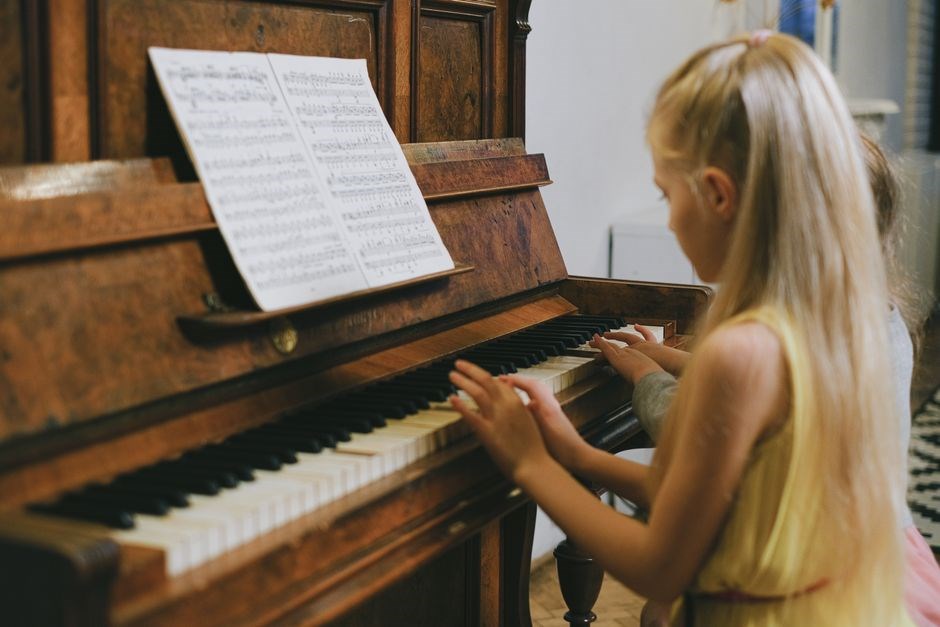
- Desktop: use Ctrl+Plus to zoom, Page Up/Down to flip.
- Tablet: lock orientation, pinch‑to‑zoom, enable hand‑draw annotations.
- Phone: rotate to landscape, fit to width, finger scroll.
- Printer: set margins to 0.5”, choose “fit to page.”
Troubleshooting PDF Viewing Issues
When a beginner’s piano exercise PDF fails to display correctly, several common problems arise. First, check the file format: some PDFs are scanned images that require OCR to become searchable. If the document appears blurry or pixelated, try opening it in a different reader such as Adobe Acrobat Reader DC or Foxit Reader, which often render fonts more clearly. Second, verify that the PDF’s security settings allow printing and copying; many free resources lock these features, causing display glitches on certain devices. If the PDF is locked, use a reputable online converter to remove restrictions, ensuring you remain within copyright limits. Third, ensure your device’s screen resolution matches the PDF’s intended size. On high‑dpi screens, staff lines may appear thin; enable “fit to width” or “zoom to 100%” to preserve line thickness. Fourth, if the PDF opens but the page turns are erratic, check the reader’s “continuous” vs “single page” view modes. Switching to single page often resolves flickering. Fifth, for mobile users, clear the cache of the PDF app; corrupted cache data can cause loading failures. Finally, if the PDF still does not render, download the file again from a different source or use a cloud‑based viewer like Google Drive, which often bypasses local reader bugs. By systematically checking format, security, resolution, view mode, cache, and alternate viewers, most viewing issues can be resolved quickly, allowing uninterrupted practice of the beginner exercises.
Future Trends in Digital Piano Learning Resources
Emerging digital platforms are reshaping how beginners access piano exercises in PDF format. The next wave will blend interactive PDFs with real‑time feedback, allowing students to see finger positions, hear correct notes, and receive instant error alerts while scrolling through a printable sheet. Augmented reality overlays will let learners point a tablet at a printed page and see animated hand movements, bridging the gap between static PDF pages and live instruction. Cloud‑based libraries will offer adaptive playlists that adjust difficulty based on performance metrics, ensuring that each exercise PDF matches the learner’s evolving skill level. Integration with AI tutors will provide personalized commentary, suggesting specific finger‑strength drills or rhythmic variations when a student struggles with a passage. Moreover, cross‑platform compatibility will become seamless: a PDF opened on a desktop will automatically sync with a mobile app, preserving annotations and progress notes. Finally, open‑source initiatives will encourage educators to contribute new exercise PDFs, fostering a collaborative ecosystem where high‑quality, royalty‑free materials proliferate. These trends promise a richer, more engaging experience for beginners, turning static PDFs into dynamic, interactive learning tools that adapt to each student’s pace and style. By integrating these PDFs with metronome apps, learners fine‑tune tempo, ensuring rhythmic precision that translates into live performance daily!.